Mastering the Guitar Basic Chord: A Beginner's Guide to Strumming

Introduction to Guitar Basic Chord Playing
Learning a guitar basic chord is the essential first step on any beginner's journey with the instrument. Mastering these chords allows you to start playing simple songs and builds a solid foundation for more advanced techniques. In this guide, we'll cover practical advice on forming chords, improving strumming skills, and smooth chord transitions.
Understanding and Forming Basic Chords
Guitar basic chords such as C, G, D, E minor, and A minor are simple shapes your fingers form on the fretboard. Proper finger placement is key to producing clear sound, so pay attention to where each fingertip presses down.

Start by learning one chord at a time. Look at chord charts that visually represent finger positions and practice forming each shape slowly until comfortable.
Tips for Effective Strumming
Once you can form chords clearly, practice strumming smoothly. Begin with downstrokes on each beat and gradually add upstrokes to create rhythm. Keep your wrist loose and relaxed to maintain fluid motion.
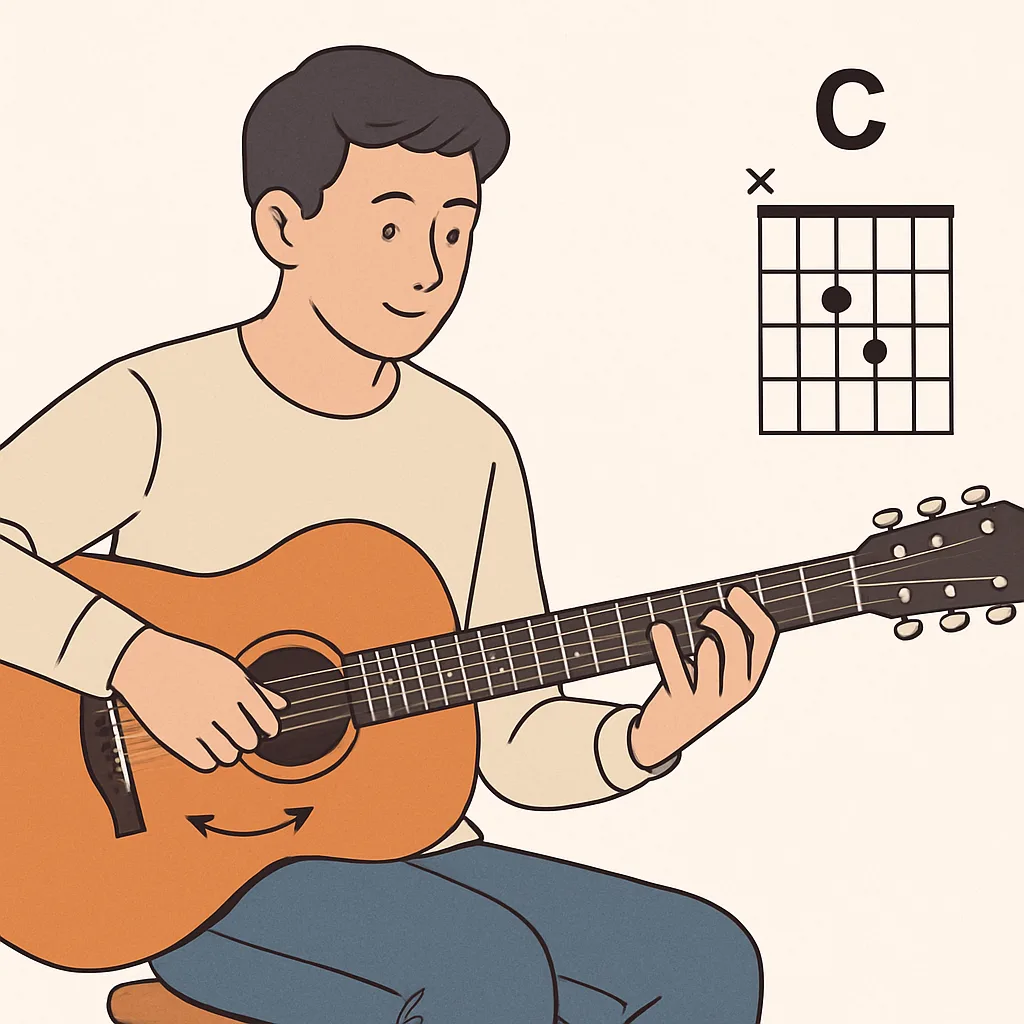
Using Chord Charts
Chord charts are useful visual guides that help you memorize finger positions and strum patterns. Refer to reliable charts tailored for beginners and keep them handy during practice sessions.
Improving Chord Transitions
Switching between guitar basic chords without hesitation is essential to maintain rhythm. Start practicing transitions slowly, focusing on lifting and placing your fingers with precision.

Practice with a Metronome
Using a metronome helps develop consistent timing. Set a slow tempo and play chords in time, gradually increasing speed as your transitions become smoother.
Practical Exercises to Boost Your Playing
1. Chord drills: Pick two basic chords and alternate between them slowly and deliberately.
2. Strumming patterns: Experiment with simple patterns like down-down-up-up-down-up while holding a chord.
3. Daily practice: Even 10–15 minutes a day helps build muscle memory and finger strength.
Conclusion
Mastering the guitar basic chord requires patience and consistent practice. By focusing on finger placement, using chord charts, practicing smooth strumming, and improving transitions with a metronome, beginners can gain confidence and enjoy playing their favorite songs.