Mastering Strumming Pattern Guitar: A Practical Guide for Every Player

Understanding Strumming Pattern Guitar Basics
Mastering a strumming pattern on the guitar is a foundational skill that dramatically influences your overall sound and rhythm. A strumming pattern is essentially the direction and rhythm of your hand's movement across the strings, creating the backbone of many songs. By practicing various patterns, guitarists can add expression, dynamics, and groove to their playing.
At its core, a strumming pattern combines downstrokes and upstrokes in a specified rhythmic order. These combinations can be simple or complex, but starting with basic patterns sets a strong foundation.
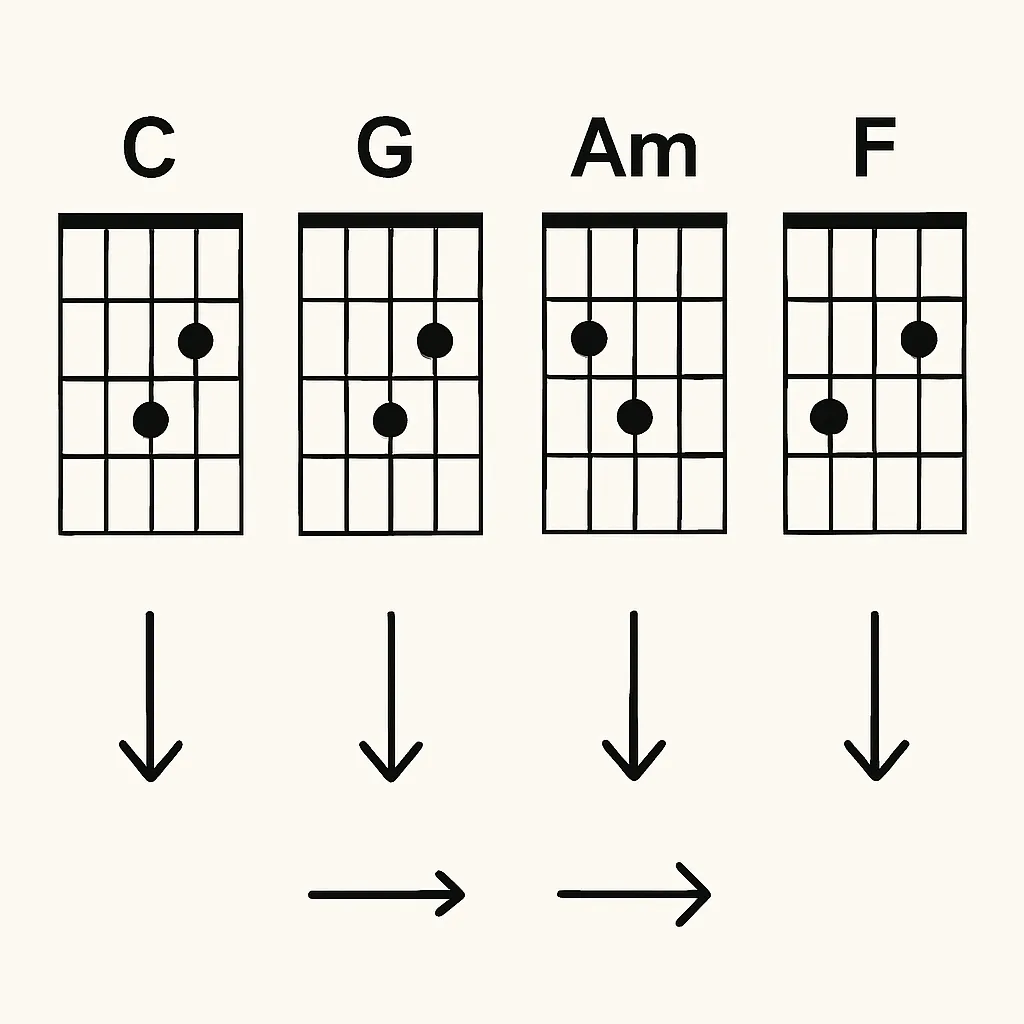
Basic Strumming Patterns Every Guitarist Should Know
For beginners, it's best to start with simple and popular strumming patterns such as:
- Downstroke on every beat: Strum down on each count (for example, 4/4 time: 1, 2, 3, 4).
- Down and Up pattern: Strum down on the beat and up on the offbeat (counts like down – up – down – up).
- Down-down-up-up-down-up: A common rhythmic pattern used in many songs.
When practicing, focus on keeping your strums even and relaxed. Use a metronome to maintain the rhythm and gradually increase your speed. Starting slow allows you to internalize the rhythm before approaching more complex patterns.
Example: Simple 4/4 Down and Up
Count "1 & 2 & 3 & 4 &" while strumming down on the numbers and up on the & symbols.
Tips to Improve Your Strumming Pattern Guitar Skills
- Wrist Movement Over Arm Movement: Use your wrist for strumming to allow more control and prevent fatigue.
- Mute When Needed: Incorporate palm muting to add dynamics and emphasis.
- Listen and Play Along: Practice with recordings to develop timing and feel.
- Record Yourself: Recording helps identify timing issues and areas to improve.
- Practice Regularly: Consistency is key. Even 10-15 minutes daily focused on strumming patterns will show improvement.

Advanced Strumming Patterns and Rhythmic Variations
Once comfortable with basics, try introducing rhythmic variations such as syncopation, palm-muted sections, and dynamic accents. Experiment with different time signatures or blend strumming with fingerpicking techniques for variety.
Understanding rhythm notation, such as quarter and eighth notes, will deepen your grasp. Learning to read or feel the rhythm helps apply the pattern more musically.

Practice Routine Example for Strumming Pattern Guitar
Warm-up (5 minutes): Play simple downstrokes to a metronome at a slow tempo.
Pattern Practice (10 minutes): Choose one strumming pattern and practice it with chord progressions slowly, aiming for clean, even strums.
Apply in Song (10 minutes): Find a song using the pattern and play along to develop musicality and timing.
Cool-down (5 minutes): Play any pattern freely or improvise strumming patterns to relax your hand and stay engaged.
By dedicating focused practice time, your muscle memory and rhythmic confidence will steadily grow, making strumming pattern guitar second nature.